END OF SUMMER SALE NOW LIVE! USE CODE SUMMER20 FOR 20% OFF!
Each batch undergoes rigorous HPLC and MS analysis, ensuring exceptional quality and precision.
CategoriesSwipe to browse
Showing 27 results
 -20%
-20%A secretagogue research blend combining a short-acting GHRH analog with a selective ghrelin receptor agonist. Studied in pulsatile GH signaling and pituitary stimulation models.
 -20%
-20%Combines Tesa, a stabilized GHRH analog, with Ipa, a selective GHSR agonist. Used in research models studying GH release and neuroendocrine regulation.
 -20%
-20%A multi-pathway research blend targeting GHRH signaling, ghrelin receptor activation and growth-factor splice-variant pathways. Studied in tissue remodeling and cellular signaling research.
 -20%
-20%A complex secretagogue and regenerative signaling blend combining GHSR agonism, GHRH pathway activation, and MGF research targets. Intended for advanced studies involving GH pulsatility, repair signaling, and cellular adaptation.
 -20%
-20%A modified C-terminal fragment of human growth hormone, studied in lipid metabolism and adipocyte signaling research without full GH receptor activation.
 -20%
-20%A synthetic pentadecapeptide derived from gastric protective protein research. Studied for angiogenesis, nitric oxide pathways, tendon/ligament models, gut barrier function, and inflammatory repair signaling.
 -20%
-20%A BP-157 research preparation studied for gastrointestinal stability, mucosal protection, intestinal barrier signaling, and inflammatory pathway modulation in preclinical models.
 -20%
-20%A long-acting GHRH analog with an extended half-life. Studied for sustained GH-axis activity and prolonged pituitary receptor stimulation in laboratory models.
 -20%
-20%A short-acting GHRH analog studied for pulsatile growth hormone release and pituitary GH-axis signaling. Unlike DAC-modified versions, it is typically researched for shorter-duration receptor activation.
 Out of stock
Combines GHRH receptor activation with selective ghrelin receptor agonism. Studied for GH pulse amplification and pituitary signaling in laboratory models.
 -20%
-20%A small peptide-derived angiotensin IV analog studied for hepatocyte growth factor/c-Met signaling, synaptogenesis, and neuroplasticity models. Primarily used in cognitive and neuronal repair research.
 2 for 1
A synthetic tetrapeptide studied in aging biology, telomerase activity, circadian regulation, and pineal peptide signaling. Commonly researched in cellular senescence and longevity-related models.
 2 for 1
A copper peptide complex used in research on tissue regeneration, dermal matrix support, angiogenesis, and anti-inflammatory signaling.
 -20%
-20%A cosmetic-regenerative research blend combining copper peptide signaling, BP-157 repair pathways, and TB4 actin modulation. Studied for skin, connective tissue, and extracellular matrix support models.
 -20%
-20%A selective ghrelin receptor agonist studied for growth hormone secretagogue activity with minimal prolactin or cortisol pathway activation in research models.
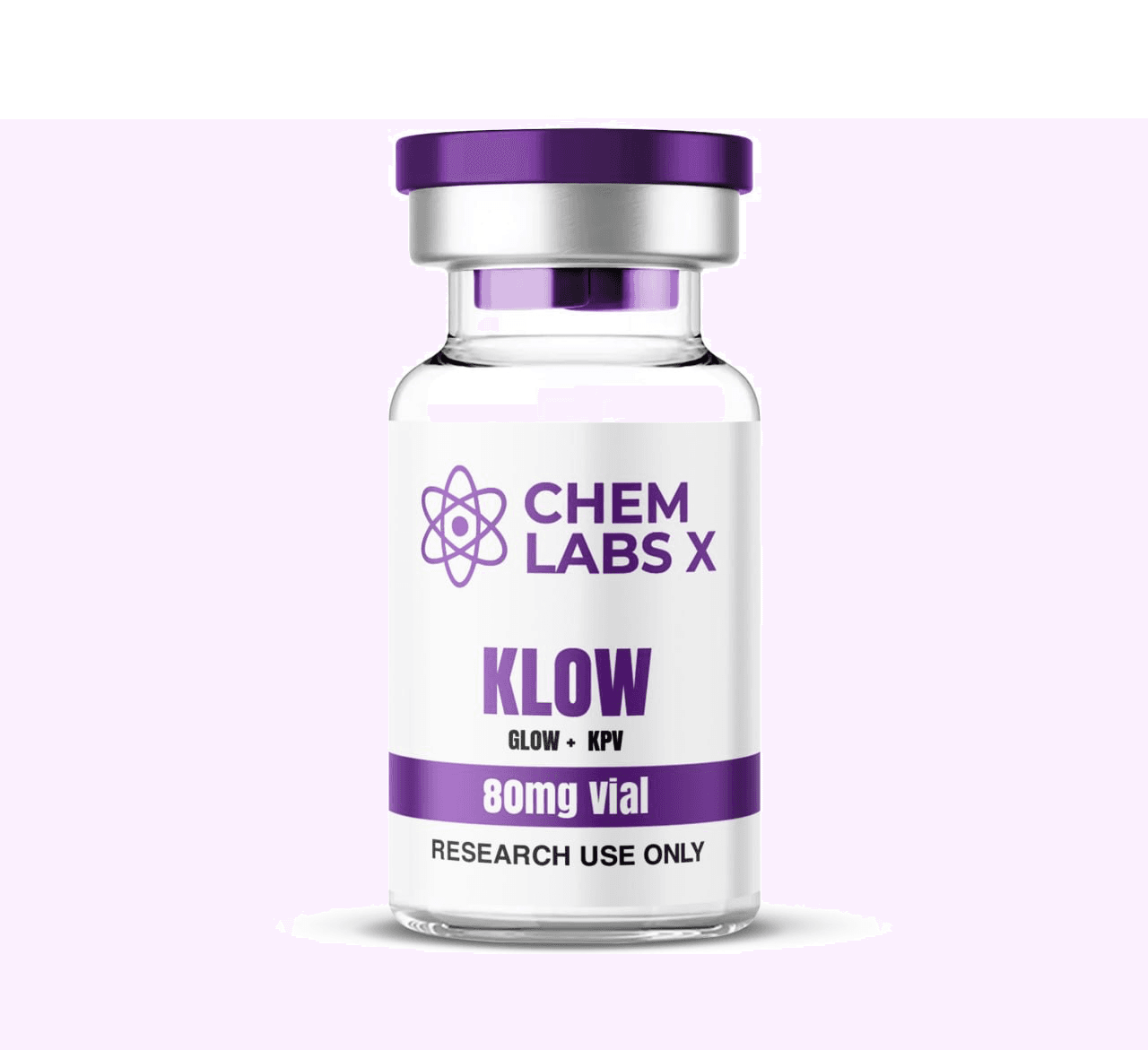
A multi-peptide research blend combining copper peptide remodeling, melanocortin-derived anti-inflammatory signaling, BP-157 repair pathways, and TB4 actin dynamics.
 2 for 1
A mitochondrial-derived peptide studied for AMPK activation, metabolic flexibility, glucose utilization, mitochondrial stress response, and exercise-mimetic signaling pathways.
 -20%
-20%A biofermented NAD+ preparation studied for redox biology, mitochondrial metabolism, sirtuin activity, DNA repair pathways, and cellular energy signaling.

A sterile solution used in laboratory preparation of lyophilized research peptides. Designed to support solubilization and handling prior to analytical or research applications.
 -20%
-20%A mitochondria-targeted tetrapeptide studied for cardiolipin stabilization, oxidative stress reduction, mitochondrial membrane function, and cellular energy protection.
 -20%
-20%A synthetic heptapeptide analog of tuftsin, studied for immune modulation and neuropeptide signaling in laboratory models.
 -20%
-20%A synthetic ACTH-derived peptide studied in neurotrophic and cognitive signaling research models.
 -20%
-20%A GHRH analog studied for pituitary growth hormone release, GH-axis regulation, and endocrine feedback mechanisms.
 -20%
-20%A synthetic ERR agonist studied for mitochondrial biogenesis, oxidative metabolism, endurance signaling, and exercise-mimetic pathway activation.
 -20%
-20%A TB4 fragment research peptide studied for actin binding, cell migration, angiogenesis, inflammation modulation, and soft-tissue repair pathways.